At Clean Life Heids, we believe that clean living starts at the source — your food. If you’re trying to reduce your family’s exposure to harmful chemicals and pesticides, especially for your little ones, the Dirty Dozen list is a smart place to begin. This annual list, published by the Environmental Working Group (EWG), highlights the top 12 conventionally grown fruits and vegetables most contaminated with pesticide residues.
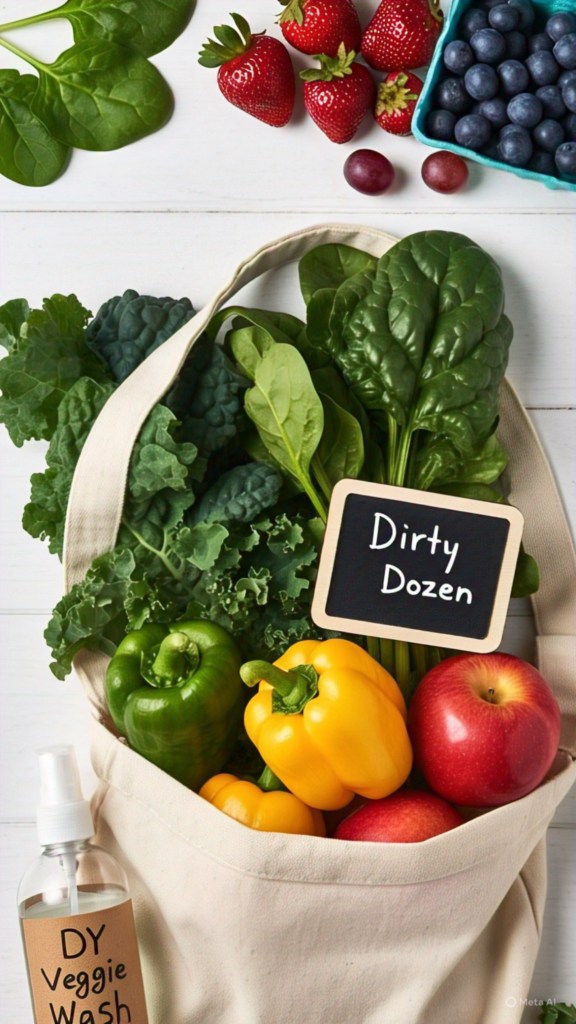
Let’s dive into what the Dirty Dozen is, why it matters, and how shopping organic for these items can help protect your health and the planet 🌎.
🌿 What is the Dirty Dozen?
The Dirty Dozen is part of EWG’s Shopper’s Guide to Pesticides in Produce™. Each year, they test hundreds of non-organic fruits and vegetables to find which ones carry the highest levels of pesticide residues — even after washing and peeling.
The 2024 Dirty Dozen list includes:
- Strawberries 🍓
- Spinach 🥬
- Kale, Collard & Mustard Greens
- Grapes 🍇
- Peaches 🍑
- Pears 🍐
- Nectarines
- Apples 🍎
- Bell & Hot Peppers 🌶️
- Cherries 🍒
- Blueberries 🫐
- Green Beans
⚠️ Why Should You Care About Pesticides?
Pesticides are designed to kill pests, but they can also have harmful effects on human health — especially in children, babies, and pregnant women. Studies have linked long-term exposure to certain pesticides with:
- Hormone disruption
- Fertility issues
- ADHD and developmental delays in children
- Increased risk of certain cancers
- Weakened immune function
Even trace amounts of pesticides can build up over time in the body. And because children’s bodies are still developing, they’re more vulnerable to these exposures.
🛒 Why Shop Organic for the Dirty Dozen?
Organic produce is grown without synthetic pesticides, herbicides, or fertilizers. While it’s not 100% pesticide-free (natural pesticides may still be used), the levels are significantly lower — making it a cleaner, safer choice.
Prioritizing organic versions of the Dirty Dozen is one of the most effective ways to reduce your family’s exposure to harmful chemicals. If you’re shopping on a budget, focus on these 12 items first when choosing organic.
💚 Clean Living Tip from Heids:
Can’t find or afford organic? Don’t stress — rinse your produce thoroughly with a DIY veggie wash:
- 1 part white vinegar
- 3 parts water
- Soak for 5–10 minutes, then scrub and rinse.
It won’t remove all pesticide residue, but it can help reduce some of it.
🌱 Clean Life Starts Small
Clean living is about making mindful swaps — not perfection. Start where you can, one grocery trip at a time. Prioritizing organic for the Dirty Dozen is a powerful step toward a cleaner, healthier life for you and your littles.
Ready to clean up your kitchen?
Follow us @CleanLifeHeids for clean swaps, food education, and healthy living tips made simple. 💚


 Clean Life Heids
Leave a comment