You wipe down your kitchen counters every day—sometimes multiple times a day.
But if you’re using a conventional cleaning spray, you might be doing more harm than good.
That “fresh lemon” scent?
It’s often a chemical cocktail of synthetic fragrance and volatile organic compounds (VOCs)—and you’re breathing it all in.
Let’s look at what’s hiding in those bottles—and how to clean your counters without contaminating your air.
🚫 What’s Really in Conventional Kitchen Sprays?
1. Volatile Organic Compounds (VOCs)
These are chemical gases emitted from certain solids or liquids. Found in many cleaning products, they can trigger:
- Headaches
- Dizziness
- Asthma flare-ups
- Long-term respiratory irritation
Many sprays—even ones marketed as “green”—still contain VOCs like ethanol, formaldehyde-releasing preservatives, or glycol ethers.
2. Synthetic Fragrance
This is a huge red flag. Companies aren’t required to disclose the hundreds of ingredients hidden under this one term. Many include phthalates—linked to hormone disruption—and respiratory irritants.
3. Ammonia + Chlorine Bleach
Harsh, corrosive, and dangerous to inhale. Especially when used in small, unventilated spaces (like homes with kids), they can be overwhelming and even toxic.
✅ Safer Kitchen Spray Swaps
Here are my go-to non-toxic kitchen sprays that are just as effective without any of the toxic aftereffects:
🧴 1. Branch Basics All-Purpose Spray (Get $10 off your first purchase)
- Made from their concentrate—no harsh fumes
- Safe enough for baby toys + pacifiers
- 💚 EWG Verified
🧼 2. Force of Nature Cleaner
- Electrolyzed water + vinegar = hospital-grade disinfecting
- EPA-registered, non-toxic, fragrance-free
- Great for cutting grease, bacteria, and odors
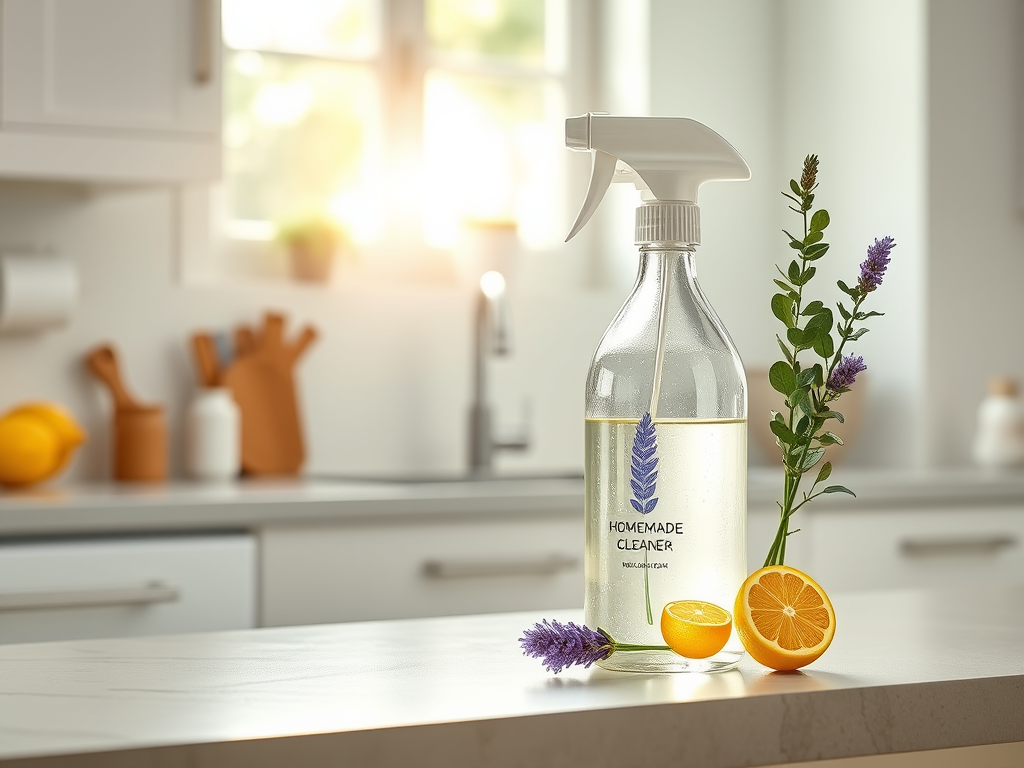
🌿 3. My DIY Counter Spray Recipe
Super simple, effective, and smells amazing:
- 1 cup distilled white vinegar
- 1 cup filtered water
- 15 drops lemon essential oil
- 10 drops tea tree or lavender essential oil (antibacterial)
- Glass spray bottle
Shake in a glass spray bottle and use daily on counters, highchairs, and more!
💭 Final Thoughts
If you’re spraying it in the air, make sure it’s not something that’s slowly hurting your lungs—or your child’s.
Making the switch to non-toxic sprays is one of the easiest, most impactful ways to clean up your home. Literally.
Because clean surfaces shouldn’t come at the cost of clean air!
As an Amazon Associate I earn from qualifying purchases.


 Clean Life Heids
Leave a comment